
Junior youth groups
Young people aged 11 to 14 meet to read together, talk about the world they want to build, and carry out small acts of service in their neighbourhood.
Open to all young people aged 11 to 14, of every background. There is no faith requirement and the programme is explicitly non-religious in its discussions.
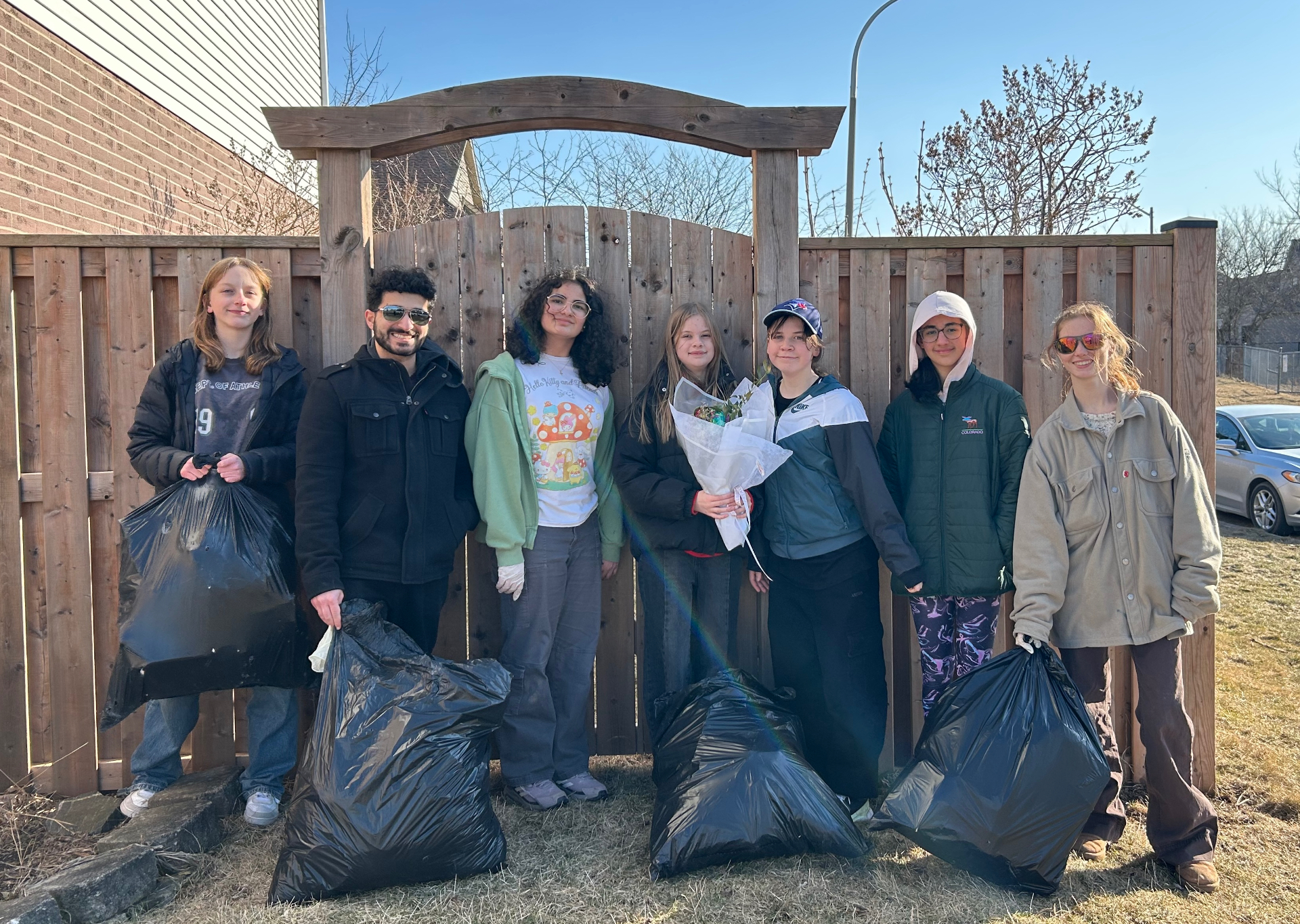
A junior youth group brings together young people aged 11 to 14 — that in-between age the programme calls 'junior youth' — for reading, conversation, sport, art and service in their neighbourhood.
Each group is led by an 'animator,' an older individual trained to walk alongside the group rather than instruct it. The materials focus on questions junior youth themselves care about: friendship, family, fairness, identity, the future. The programme is offered worldwide to nearly a million young people across more than 130 countries.
Who comes
- Young people aged 11 to 14, of every background.
- Groups are often in community areas.
- Animators are older individuals (typically 15 to 25) who have completed Ruhi Book 5.
Origins & meaning
Bahá'ís see the years from 11 to 14 as a unique window when young people are developing the spiritual capacities and powers of expression that will shape the rest of their lives. The junior youth spiritual empowerment programme was developed to walk alongside them in that window.
- Animator
- Not a teacher or coach — an older individual (often 15–25) who has trained to accompany a junior youth group as a slightly older friend.
Frequently asked questions
What ages is this for?+
Junior youth groups are for young people aged 11 to 14.
Who are the animators?+
Trained older individuals, typically 15 to 25, who have completed Ruhi Book 5 on accompanying junior youth.
How are animators screened?+
Bahá'í communities follow local child-protection practices, and most Canadian communities require police record checks (CPIC or vulnerable-sector screening) for animators.
What kind of Services+
It varies on the needs of the community. For example, small, neighbourhood-scale acts: park clean-ups, cards or visits to elders, tutoring younger kids, beautifying a public space, organising a small drive.
Can my non-Bahá'í child join?+
Absolutely — most groups in Canada have a mix of Bahá'í and non-Bahá'í participants.
Ask about other gatherings
Not everything is posted here. Send a note and someone from the local community team will get back to you with up-to-date information about junior youth groups near you.
Other community building activities
Children's class
Classes that nurture qualities like honesty, kindness and generosity through stories, songs, prayers and play. Joyful, all welcome.
Read the guide →
Study circle
A group that examines materials designed for youth and adults, intended to be used in a systematic effort to enhance service in their communities.
Read the guide →
Devotional
A reverent space where neighbours of every background read sacred writings, share music, and reflect together.
Read the guide →